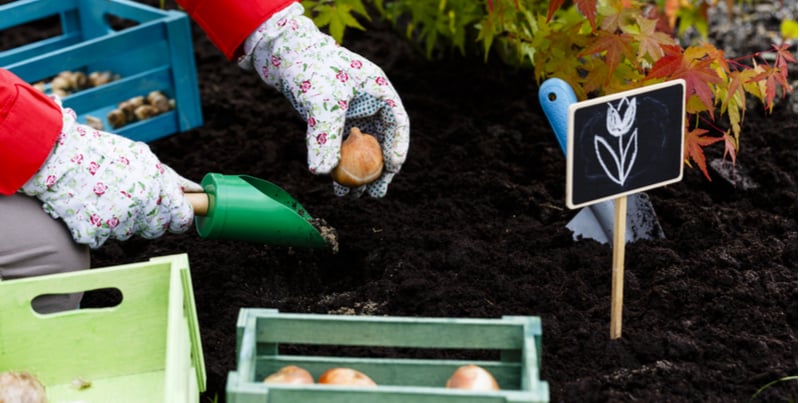
Tulips are one of the most popular bulbs and if you plant them in autumn you will have a wonderful spring display waiting for you. The best part is, there is a large range of variety options out there so you can mix and match or stick with a specific colour theme. There are actually 15 divisions of tulips based on the characteristics of the flowers. In broad terms, you can find tulips flowers that…
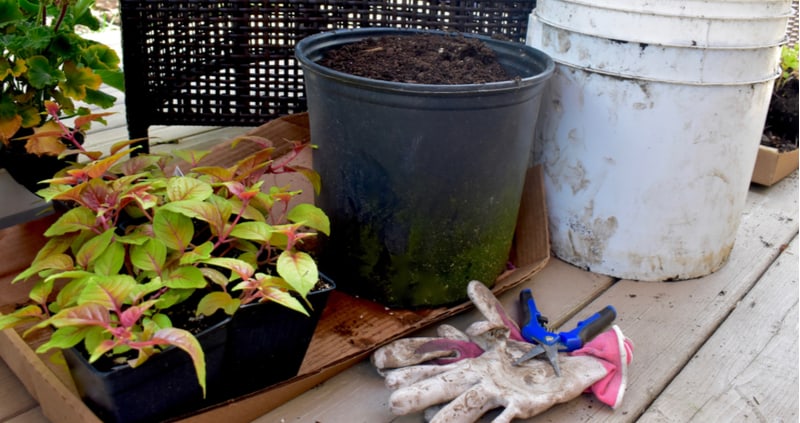
Fuchsias are fantastic plants, found in an array of bell-shaped combinations of colour, bringing pink on purple on pink, red and pink, and more. It’s no wonder that anyone who has enjoyed success with Fuchsias would no doubt love to enjoy it a bit more by growing more plants from the successful parent. To do that, you can take Fuchsia cuttings. But don’t worry, it is not as challenging as it seems. The key is…
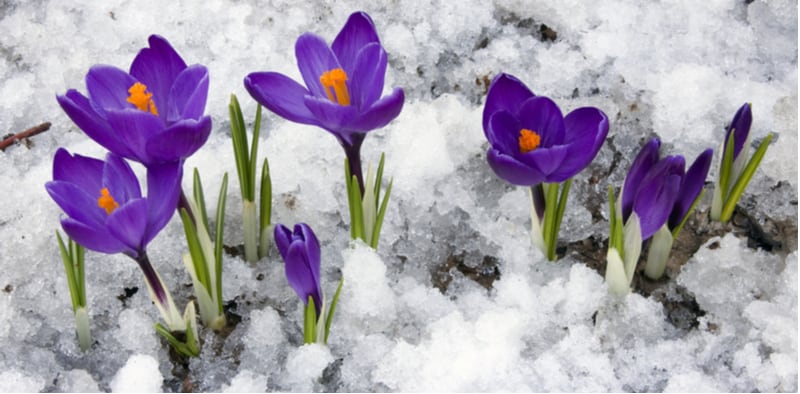
When you think of bulbs, you think of spring and summer, bright colours that litter the garden, especially in spring. But what about autumn and winter? They deserve their fair share of colour and blooms too. Thankfully, there are many blooms you can plant to give your garden which is often overlooked during these months some added bright winter pop. Below are our top seven autumn and winter flowering bulbs: 1. Nerine These plants can…
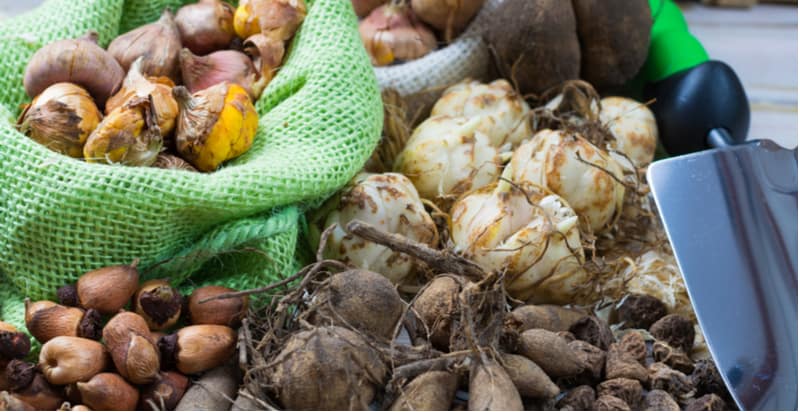
Summer flowering bulbs are a wonderful addition to your garden because they don’t need a lot of room to grow but can still offer masses of flowers. There are many types out there that can be interspersed with any other flowers you have, to really round out the blooming period. Regardless of the type, remember that summer flowering bulbs need to be planted in spring right when the weather gets warmer, especially tender varieties. How…
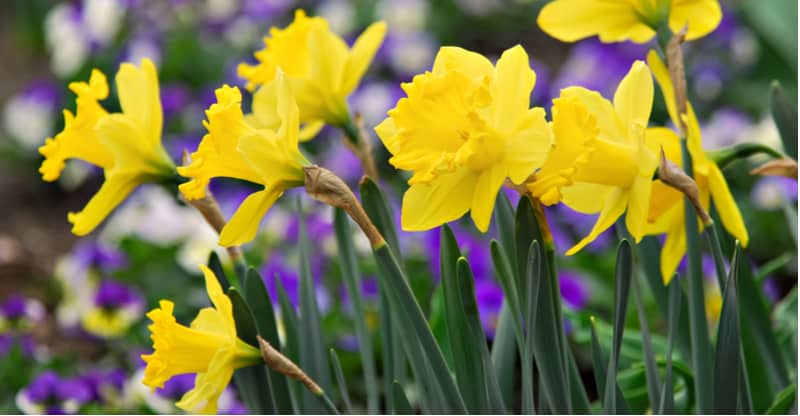
Daffodil bulbs will do best if they are planted between September and November in soil that is well-drained. Planting Daffodil bulbs in your garden requires that you find a spot with full sun or partial shade so that they can thrive. You don’t want them to grow anywhere that has bad drainage, total shade, or is in close proximity to a south-facing wall because such temperatures in the soil would likely become far too hot…